
What Is the Process to Buy a Registered Trademark in India?
Learn the process to buy a registered trademark in India. Step-by-step guidance to search, verify, and acquire trademarks securely and legally.
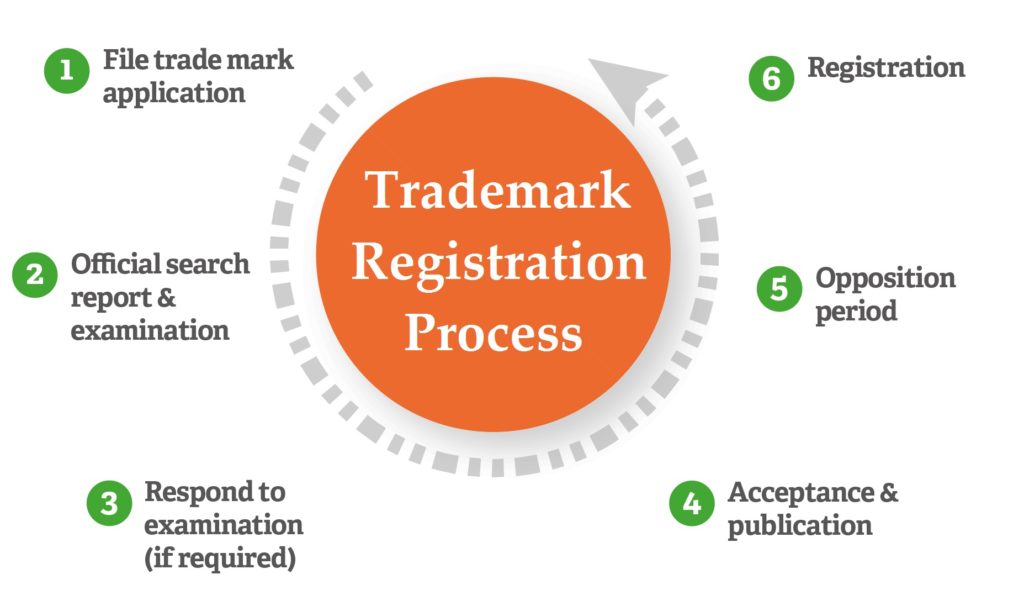
Acquiring a registered trademark in India is a wise legal move. It has the potential to not only save time but also assist with brand recognition and consequently increase the value of the company. Moreover, companies can choose to buy already market-connected trademarks rather than going through the expensive and time-consuming process of creating new ones.
However, the question is what the exact process is. This guide tells you buying a registered trademark in India step by step. It deals with legal requirements, required papers, and even provides some expert tips.
What Is a Registered Trademark and Why Buy One?
A registered trademark is any legal symbol, word, phrase, or logo. It helps identify and distinguish the source of goods or services. Buying one offers instant branding, legal protection, and credibility.
Many companies opt to acquire a trademark rather than go through the process of registration for a new one. This not only saves time but also builds trust with clients and accelerates brand growth. The transaction is made easier by the presence of verified listings on platforms such as BuySellTrademarks.in.
Step 1: Search for Available Trademarks
First, search for available trademarks for sale. This can be done through:
Online marketplaces like BuySellTrademarks.in
Trademark brokers or IP consultants
Direct brand owners looking to sell
Look for trademarks relevant to your niche and make sure they're registered and legally valid. Ensure the trademark aligns with your business goals and doesn't have any existing disputes.
Step 2: Verify Trademark Ownership and Status
Once you've selected a trademark, it's crucial to verify its:
Ownership details
Class of goods/services (Nice Classification)
Registration validity
Pending objections or oppositions
Verifying the status, class, and history of a trademark is recommended through the IP India Public Search Tool (https://ipindiaonline.gov.in). Moreover, reaching out to a trademark lawyer to ask about this issue is a very good choice.
Step 3: Conduct Trademark Due Diligence
Before finalizing the purchase, conduct a comprehensive trademark due diligence check. This includes:
Checking for existing legal issues
Reviewing the duration of registration
Examining brand reputation and usage history
Ensuring no conflicting trademarks exist
Trademark due diligence keeps you safe from future legal issues. It also helps you understand the real market value of the brand name you are buying.
Step 4: Negotiate and Finalize the Purchase Agreement
Once you are sure the trademark is real, start discussing the price with the seller. Here are important points to include in the purchase agreement:
Transfer of ownership rights (Assignment Deed)
Amount and payment structure
No legal liability post-transfer
Seller’s declaration of good faith
The trademark assignment agreement must be drafted carefully, preferably by a legal expert. This agreement is the legal proof of transfer.
Step 5: Draft a Trademark Assignment Deed
A Trademark Assignment Deed of assignment is needed for every transfer of a trademark from one party to another, to legible in the eyes of law. The document should contain such clauses.
Names and addresses of buyer and seller
Trademark details (Application No., Class, Date)
Scope of transfer (with or without goodwill)
Consideration paid
Declaration of assignment and effective date
The law requires the parties to write the assignment deed on stamp paper. In order for it to be a legally enforced contract, you need to have it notarised.
Step 6: File TM-P Form with the Trademark Registry
After you complete the deed, you must register the transfer with the Indian Trademark Registry. You complete this by filing Form TM-P.
Here’s what you need to file:
Form TM-P (Request for post-registration changes)
Duly signed Assignment Deed
NOC (No Objection Certificate) from the seller
Affidavit and proof of execution
Government fee (varies depending on ownership type)
This step is crucial to legally reflect the buyer as the new trademark owner in public records.
Step 7: Acknowledge the Change in Trademark Registry
As soon as the Registrar authenticates and accepts your petition, he/she will then proceed to modify the records of ownership in the Trademark Registry that is recognized as official. You will receive a confirmation or Trademark Journal Entry.
This officially marks the completion of the trademark transfer. The buyer can now use the trademark legally in India for commercial use.
Key Documents Required for Buying a Registered Trademark
To ensure a seamless process, keep these documents ready:
Trademark Registration Certificate
Assignment Deed
Identity and Address Proof (of both parties)
Power of Attorney (if filed by agent/attorney)
No Objection Certificate (NOC)
Affidavit (if applicable)
Organizing these documents in advance will prevent delays during registration.
Why Choose BuySellTrademarks.in to Buy a Trademark?
BuySellTrademarks.in is India’s leading platform that allows buyers to explore registered trademarks for sale across various industries. Key benefits include:
Verified and ready-to-transfer trademarks
Easy comparison and shortlisting
Professional consultation and support
Legal documentation assistance
The ideal solution for entrepreneurs, startups, and businesses looking to launch a brand without delay exists.
What Are the Benefits of Buying a Trademark in India?
Buying a trademark instead of registering a new one offers several advantages:
Saves time – No waiting period for registration
Brand credibility – Instant consumer trust
Legal security – Already registered under Indian law
Competitive edge – Trademark might have a reputation in the market
Lately, there has been a great increase in people who want to own a business.
Common Mistakes to Avoid When Buying a Trademark
Avoiding these mistakes will ensure a smooth trademark acquisition:
Not verifying ownership documents
Ignoring pending litigation or opposition