
How to Find the Perfect Trademark for Your Business
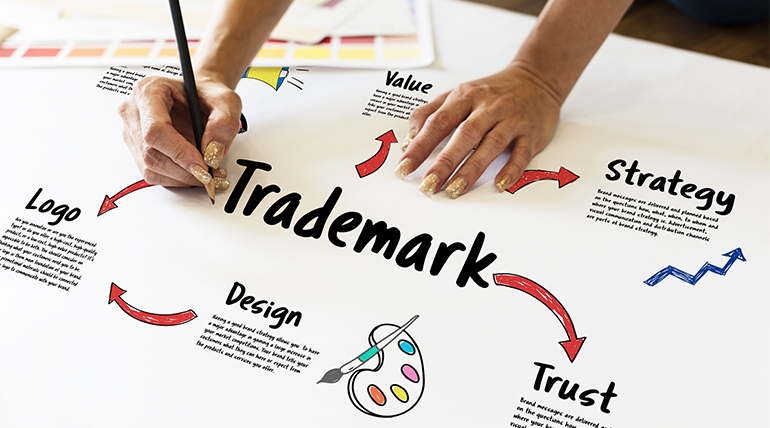
Finding the right trademark for your business is a critical step in building a strong brand identity. A well-chosen trademark not only protects your business legally but also helps distinguish your products or services in a competitive market. Whether you’re starting a new venture or expanding an existing brand, securing the perfect trademark can significantly impact your long-term success.
In this guide, we’ll explore the key steps and considerations in finding the perfect trademark for your business, ensuring that your brand stands out and is protected.
1. Understand What a Trademark Is
Before diving into the process, it's essential to understand what a trademark actually is. A trademark is a unique symbol, name, logo, design, or combination of these elements that identifies and distinguishes your business’s goods or services from others in the market. It serves as a powerful tool for building brand recognition and trust with customers.
Trademarks can include:
Words or phrases (e.g., Coca-Cola, Nike)
Logos or symbols (e.g., the Apple logo, McDonald’s golden arches)
Slogans (e.g., “Just Do It”)
Unique product shapes or packaging designs
The goal is to select something that clearly identifies your brand while also being distinctive and easy to protect legally.
2. Identify Your Brand’s Identity and Values
To find the perfect trademark, you need to have a clear understanding of your brand’s identity and the message you want to convey to your audience. Consider the following questions:
What does your business stand for?
What makes your products or services unique?
Who is your target audience?
What emotions do you want your brand to evoke?
Your trademark should reflect these core aspects of your business. Whether you’re looking for a name, logo, or slogan, make sure it aligns with your brand’s identity and resonates with your target market.
3. Ensure Your Trademark is Unique and Distinctive
One of the most critical factors in choosing a trademark is ensuring it is unique and distinctive. A trademark that is too generic or similar to existing ones can be difficult to protect legally and may even be rejected during the registration process.
Here are some tips for creating a distinctive trademark:
Avoid common or descriptive terms: Names like "Best Coffee" or "Fast Delivery" are too generic and won’t qualify as strong trademarks. Choose something that stands out and is memorable.
Invent new words: Some of the best trademarks are completely made-up words (e.g., Google, Kodak) or unique combinations of words (e.g., Facebook).
Use symbolism: Consider incorporating symbols or designs that represent your brand values or products in a way that’s not too literal.
Play with language: Use puns, alliteration, or wordplay to create a catchy, unique name.
4. Conduct a Thorough Trademark Search
Once you’ve settled on a potential trademark, the next step is to conduct a comprehensive trademark search. This helps ensure that your chosen trademark isn’t already in use by another business, which could lead to legal conflicts or rejection during registration.
A thorough trademark search should include:
Checking government trademark databases: In the U.S., for example, you can search the United States Patent and Trademark Office (USPTO) database. Other countries have similar resources, such as the European Union Intellectual Property Office (EUIPO) and the Intellectual Property Office of India (IPO).
Exploring common law trademarks: Not all trademarks are registered. Some businesses may be using an unregistered trademark, which can still pose legal risks. Search online, review business directories, and look for relevant brand names in your industry.
Global checks: If you plan to expand internationally, it’s important to check for trademarks in other countries as well, especially in major markets where you intend to operate.
If you find a conflict, it’s time to go back to the drawing board or modify your idea to avoid future legal issues.
5. Check the Domain Name Availability
In today’s digital age, your online presence is just as important as your trademark. After conducting your trademark search, check if the corresponding domain name is available for your website. A matching domain name not only strengthens your brand identity but also ensures that customers can easily find your business online.
If the exact domain name isn’t available, consider slight variations, such as adding your industry or location (e.g., "brandnameco.com" or "brandnameindia.com").
Securing the right domain name is crucial for maintaining a consistent brand presence across all platforms, including social media.
6. Consult a Trademark Professional
Even with thorough research, navigating trademark laws and ensuring your mark is properly protected can be complex. Consulting with a trademark attorney or professional can help you avoid potential pitfalls. They can provide legal advice on:
Whether your trademark idea is strong and likely to be approved.
The proper trademark class for your goods or services (trademarks are categorized into different classes based on the products or services they protect).
The trademark registration process and any legal requirements.
Having expert guidance ensures that your trademark is protected from future legal disputes and is registered correctly from the start.
7. Consider Buying an Existing Trademark
In some cases, instead of creating a new trademark from scratch, it may be beneficial to buy an existing trademark. Websites like buyselltrademarks.in offer a marketplace where you can purchase registered trademarks that are no longer in use or available for sale.
Buying a trademark can offer several advantages:
Immediate use: Skip the waiting period for trademark approval and start using the mark right away.
Brand equity: Some trademarks come with pre-existing recognition and customer trust, saving you time and marketing efforts.
Legal certainty: An existing trademark has already gone through the registration process, reducing the risk of rejection or conflict.
8. Think Long-Term
Your trademark should not only reflect your current business but also be flexible enough to accommodate future growth. As your business evolves, your products and services may expand into new areas. A strong trademark can grow with you.
Consider whether your chosen trademark will still be relevant in 5, 10, or even 20 years. Avoid trendy or overly niche names that might limit your brand’s potential in the long run.
9. File for Trademark Protection
Once you’ve found the perfect trademark, the final step is to file for official trademark protection. This involves submitting an application to the appropriate trademark office in your country or region. Make sure you:
File in the correct class: Each trademark is registered in a specific class, which corresponds to the goods or services it will cover. Choose the class that best fits your business activities.
Provide clear descriptions: When applying, provide detailed descriptions of how the trademark will be used to avoid any misunderstandings or objections.
In some jurisdictions, you may also need to provide a specimen of use, showing how your trademark is being used in commerce.
Conclusion
Finding the perfect trademark for your business is a critical step in building a strong and legally protected brand. From ensuring your mark is distinctive and unique to conducting a thorough search and consulting with experts, following these steps will help you secure a trademark that reflects your brand’s identity and sets you up for long-term success.
Whether you choose to create a new trademark or buy an existing one, platforms like buyselltrademarks.in make the process easier, allowing you to focus on growing your business with confidence.